What Drain Cleaning Actually Does
Drain cleaning involves removing buildup and obstructions so water can flow freely through your plumbing system again.
Depending on the drain and the issue, this may involve clearing:
- Hair and soap buildup in bathroom drains
- Grease and food residue in kitchen lines
- Foreign objects
- Organic buildup
- Early root intrusion
- Floor drain blockages in basements, garages, and utility spaces
The goal is not just to push a blockage further down the line, but to clear it properly so the problem does not come back.
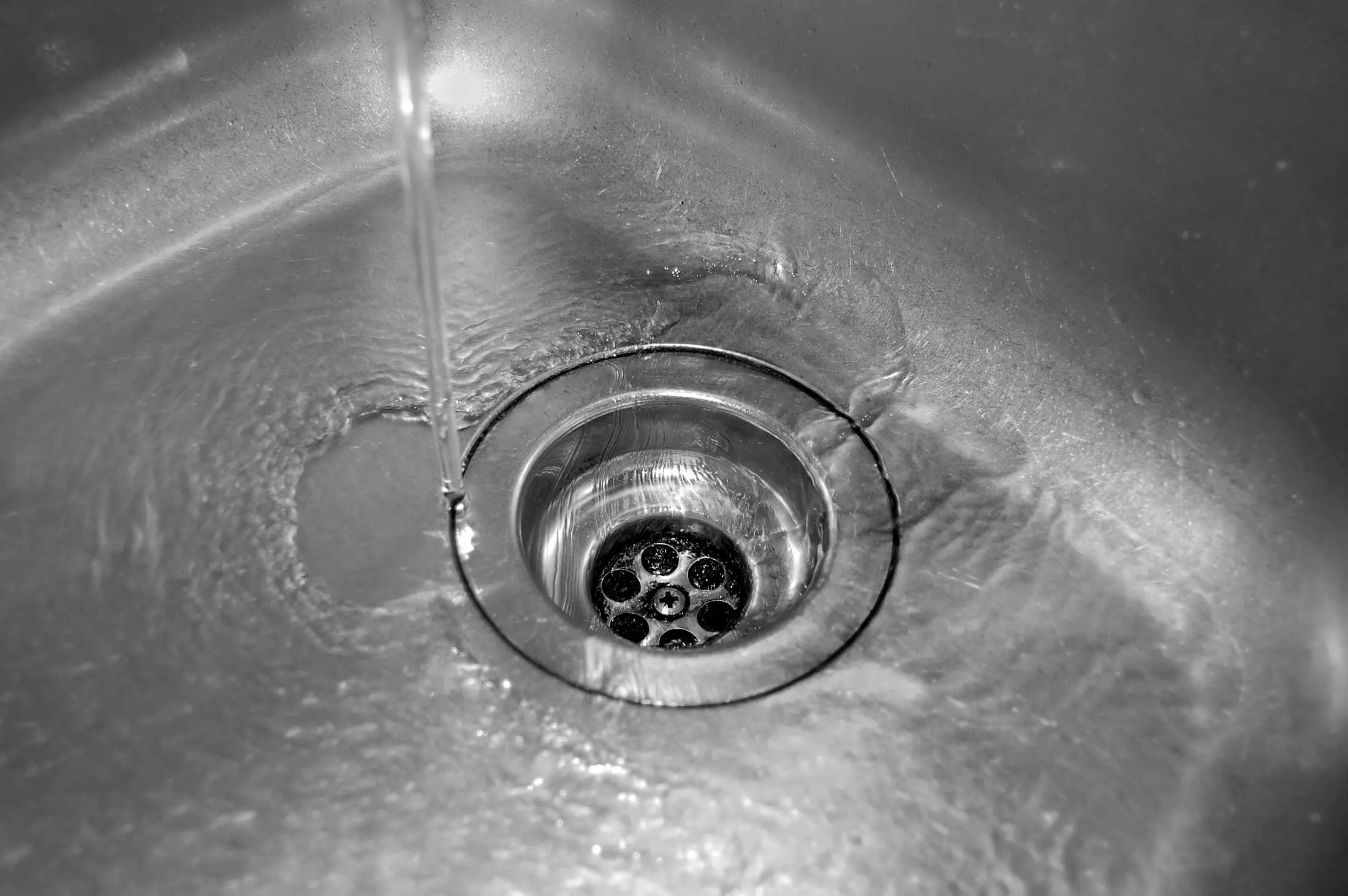
Drains We Clean
We handle drain cleaning for all fixture types and drain lines in the home, including:
- Kitchen sinks, where grease, food particles, and soap buildup are the most common causes
- Bathroom sinks and vanity drains, where hair and toothpaste residue accumulate over time
- Shower and bathtub drains, which tend to clog gradually from hair and soap scum
- Laundry drains, which can back up from lint, detergent buildup, or a slow connection to the main line
- Floor drains in basements, garages, and utility rooms
- Main sewer lines, when the issue goes beyond a single fixture
If more than one drain in your home is slow or backing up at the same time, the problem is often in the main line rather than an individual fixture. That distinction matters for how the issue is approached and resolved.
Signs You May Need Drain Cleaning
Homeowners often reach out for drain cleaning when they notice:
- Slow-draining sinks, tubs, or showers
- Gurgling sounds from drains or toilets
- Water backing up in fixtures, especially lower-level ones like basement floor drains or showers
- Unpleasant sewer or drain odours
- Repeated clogs in the same location
- Multiple fixtures are draining slowly or backing up at the same time
A single slow drain is usually a localized issue. When multiple fixtures are affected, it often indicates a main sewer line problem that requires a different approach.
Drain Cleaning in Calgary's Older Homes
Many of the homes we work in across southwest Calgary, in neighbourhoods like Palliser, Oakridge, Braeside, Woodbine, and Woodlands, were built in the 1960s, 70s, and 80s. These homes have older plumbing systems that come with their own drain challenges.
Calgary’s hard water leaves mineral deposits on the interior walls of drain pipes over time, gradually narrowing the pipe and giving soap scum, grease, and hair more surface area to cling to. If your drains slow down faster than expected, even after a recent cleaning, mineral buildup is often part of the reason.
Calgary’s freeze-thaw cycle also puts stress on underground drain lines, shifting pipe joints and opening small cracks where tree roots can enter. Mature elm, poplar, and Manitoba maple trees, which are common throughout southwest Calgary’s established neighbourhoods, have aggressive root systems that are drawn to moisture inside sewer laterals. If your home was built before 1980 and has large trees near the sewer line, root intrusion is worth checking for if clogs are becoming more frequent.
How We Approach Drain Cleaning
Drain cleaning should be methodical, not rushed.
Our process typically includes:
- Talking through what you have noticed and which drains are affected
- Identifying whether the issue is localized or involves the main line
- Choosing the right tool and method for the drain type and situation
- Clearing the blockage fully and augering or jetting when the situation calls for it
- Testing flow to confirm the issue is resolved
For larger drains, recurring issues, or situations where the cause is not clear, camera inspection is used to confirm what is happening inside the line before and after the work.
Drain Snaking and Hydro Jetting
These are the two primary methods we use for professional drain cleaning, and the right choice depends on the situation.
Drain snaking, also called augering, uses a flexible cable to break up or pull out a blockage. It is effective for most household clogs and is typically the right starting point for localized blockages caused by hair, grease, or foreign objects. When we snake or auger a drain, we push the debris through the system properly rather than just moving it further along.
Hydro jetting uses high-pressure water to scour the inside of a pipe, removing not just the blockage but the buildup clinging to the pipe walls. It is a more thorough cleaning and is often the better choice when clogs keep recurring, when there is heavy grease buildup, or when the main sewer line needs a more thorough clearing.
We assess the situation before recommending one over the other. If hydro jetting makes sense for your drain, we will explain why before any work begins.
Main Sewer Line Cleaning
The main sewer line carries all wastewater from your home to the city’s municipal system. When it becomes partially or fully blocked, it affects every drain in the house.
Signs that the main sewer line may be the issue include:
- Multiple drains backing up or draining slowly at the same time
- Wastewater backing up into lower-level fixtures, like a basement floor drain or shower
- Gurgling sounds coming from toilets or drains when other fixtures are used
- Recurring backups that return even after individual drains are cleared
Main sewer line cleaning is a different scope of work than clearing a single fixture drain. We use professional-grade equipment and camera inspections to locate the blockage, determine its cause, and clear the line properly. If we find something beyond a standard blockage, such as root intrusion, a bellied section, or a damaged pipe, we will explain what we are seeing and walk you through the options before any additional work is discussed.
Drain Cleaning and Camera Inspection
When possible, we use our camera system throughout the cleaning process. This allows us to see exactly what is causing the blockage, confirm it has been fully cleared, and check the overall condition of the pipe.
Camera inspection helps:
- Identify stubborn or recurring obstructions
- Confirm the drain is fully clear after cleaning
- Reveal underlying issues like root intrusion, pipe damage, or poor grade
Using cameras during drain cleaning is not an extra charge. It is simply part of how we work because it leads to better results and fewer recurring issues. Once the cleaning is complete, we can provide the camera footage on a USB for your records, which many homeowners find useful for future reference.
Our drain cleaning work is also backed by NASSCO-certified training in drain cleaning and building sewer and drain inspection.
Common Causes of Drain Clogs
Many drain issues build up gradually over time. Some of the most common causes include:
- Hair and soap scum in bathroom drains
- Grease and food particles in the kitchen sinks
- Items that should not be flushed or washed down drains
- Mineral buildup from Calgary’s hard water
- Tree roots affecting underground lines in older southwest Calgary neighbourhoods
Poor pipe slope or aging plumbing layouts in homes built before 1980
Understanding the cause helps reduce the chance of repeat issues.
What Not to Put Down Your Drains
Some of the most common causes of drain clogs are things that seem harmless to wash or flush away:
- Fats, oils, and grease, which solidify inside pipes and are one of the leading causes of kitchen drain buildup
- Flushable wipes, which do not break down the way toilet paper does, are a frequent cause of toilet and main line blockages
- Coffee grounds, which settle and accumulate rather than washing through
- Dental floss, which tangles around other debris and catches everything passing by
- Cat litter, even flushable varieties, which can clump inside pipes
- Hair, which a drain strainer can largely prevent
- Paper towels and facial tissues, which do not break down like toilet paper
Small habit changes in what goes down the drain can meaningfully reduce how often professional cleaning is needed.
What to Expect During a Drain Cleaning Visit
Drain cleaning should feel straightforward and respectful of your home.
Homeowners can expect:
- A clear conversation about what you are experiencing and which drains are affected
- Appropriate equipment is chosen for the type of drain and the nature of the blockage
- Careful clearing of the blockage, with camera inspection, where it will help
- Testing to confirm proper drainage before we leave
- A tidy workspace once the job is complete
We also take time to share practical tips that may help reduce future clogs.
Drain Cleaning vs DIY Solutions
Plungers and store-bought drain cleaners can sometimes help with minor surface clogs, but they rarely address the root cause. Most chemical cleaners are also hard on pipes over time, especially in older homes, and can leave residue that complicates future professional cleaning. If you have already used a chemical drain cleaner before calling us, let us know so we can account for it.
Professional drain cleaning clears buildup more thoroughly, reduces repeat blockages, avoids potential pipe damage from harsh chemicals, and gives you a clear picture of what is happening inside the drain.
"*" indicates required fields


Why People Choose Harper's as Their Calgary Plumbers
We’re proud to provide our Calgary area neighbours with the best plumbing company and drain cleaning services they need. Our clients love working with us because we work to fully understand your needs.
For us, it is not simply a one time invoice or job, every interaction is the opportunity to build a strong relationship for years to come. Life has unexpected challenges and can throw unique plumbing and drain cleaning problems your way. We are here to help solve those for you.
Frequently Asked Questions About Drain Cleaning
Find quick answers to common drain cleaning questions. If you don’t see what you’re looking for, our team is happy to help.
The cost varies depending on the type of drain, how severe the blockage is, and whether additional inspection is needed. A simple sink clog is very different from a main sewer line issue. We explain what is involved before work begins, so there are no surprises.
Most chemical drain cleaners are harsh and can damage pipes over time, especially in older homes. They often only clear part of the blockage, can leave residue that complicates future repairs, and in some cases create safety concerns when professional equipment is later introduced into the line.
Drain snaking breaks up or pulls out a blockage using a flexible cable. Hydro jetting uses high-pressure water to scour the inside of the pipe, removing both the blockage and the buildup on the pipe walls. Snaking is the right tool for most standard household clogs. Hydro jetting tends to be more effective for recurring issues, heavy grease buildup, or cleaning the main sewer line.
Recurring clogs usually mean the underlying buildup has not been fully removed, or that something further down the line is contributing to the problem. Grease and mineral deposits narrow the pipe over time, giving debris more surface to cling to. In some cases, recurring clogs point to root intrusion, a pipe condition issue, or a main sewer line problem that camera inspection can help identify.
A single slow or clogged drain is usually a localized issue. When multiple drains in different parts of the home are slow or backing up at the same time, particularly lower-level fixtures like a basement floor drain or shower, the problem is most likely in the main sewer line. Gurgling sounds from a toilet when you run water elsewhere in the home is another common sign.
Yes, and it is something we see regularly. The mineral content in Calgary’s water leaves deposits inside drain pipes, gradually narrowing the passageway and creating a rougher surface that more easily catches soap scum, grease, and hair. If your drains slow down faster than expected, even after recent cleaning, mineral buildup is often a contributing factor.
Yes, particularly in southwest Calgary’s established neighbourhoods where mature elm, poplar, and Manitoba maple trees are common. Roots are drawn to moisture inside sewer laterals and can enter through a crack or a shifted joint. Once inside, they grow and can cause partial or complete blockages. If your home was built before 1980 and has large trees near the sewer line, a camera inspection every few years is a practical way to catch root intrusion early.
Stop using water in the home where possible and call a plumber. When multiple fixtures back up at the same time, it is almost always a main sewer line issue. Running more water into a blocked main line can cause wastewater to back up into lower fixtures, which is both unpleasant and unsanitary.
For recurring clogs or slow drains, professional drain cleaning is usually worth it. It clears buildup more thoroughly, reduces repeat issues, and helps identify underlying problems that quick fixes miss. Many homeowners find it saves time and frustration in the long run.
When possible, yes. We use drain cameras during the cleaning process to identify the cause of the blockage and confirm the line is fully clear. This is not an extra charge. It is part of our standard approach, and we can provide the camera footage on a USB for your records.
Yes. We handle floor drain cleaning in basements, garages, laundry areas, and other parts of the home where proper drainage matters.
Yes. Clearing buildup and early obstructions can reduce the risk of sewer backups, especially in homes with older pipes or mature trees nearby.
There is no one-size answer. Homes with older plumbing, heavy daily use, a habit of cooking with lots of oil, or a history of clogs may benefit from more regular cleaning. For many households, professional drain cleaning every few years, or when issues start to appear, is sufficient.
When you’re in a pickle, we’re here to help.
We started giving pickles to customers for a simple reason, when you go over to someone’s house, you bring something with you.
That’s always felt right to us.
We’re working in people’s homes, not just on plumbing systems, and we never want that to feel cold or transactional. The pickles are a small, neighbourly way to say thanks for having us in, and to leave behind something a little more memorable than the usual magnet or business card.
It’s simple, but it reflects how we like to do things around here: personal, thoughtful, and with a bit of character.

What Our Clients Are Saying
We’re always so grateful to our customers who take the time to leave us reviews and who often refer us to family, friends and neighbours as well as continue to use us whenever their plumbing needs arise.