The Difference Between a Sewer Line Blockage and a Structural Problem
Not every sewer line problem requires repair. Many backups and slow-draining laterals are caused by buildup, grease accumulation, or root intrusion that can be addressed through cleaning. Our sewer line cleaning page covers that in more detail.
Repair is the right conversation when the problem is in the pipe itself rather than what is inside it. Common structural issues include:
- Cracked or fractured pipe sections from ground movement or freeze-thaw cycles
- Offset joints where sections of the lateral have shifted out of alignment
- Collapsed pipe sections that can no longer carry flow
- Root intrusion that has caused physical damage to the pipe wall or joints
- Pipe bellying where a section has settled and lost its grade, creating a persistent low spot
- Pipe deterioration in older materials like clay tile or cast iron that has reached the end of its serviceable life
The distinction between a cleaning issue and a structural one is not always obvious without looking inside the line. That is where camera inspection becomes the most important first step.

Sewer Line Camera Inspection as the Starting Point
Before any repair decision is made, we use camera inspection to look inside the lateral and understand exactly what is happening. This is not optional. It is the step that makes everything else accurate.
Camera inspection allows us to:
- Identify whether the issue is structural or a buildup that can be cleared
- Locate the exact position and depth of any damage
- Assess the overall condition of the pipe and identify sections that may need attention in the future
- Document what we find with footage on a USB that homeowners can keep for their records or share with insurers or contractors
This step protects homeowners from committing to work before the problem is understood. It also protects against paying to clean a line that actually has structural damage, which will back up again regardless of how well it is cleaned.
Sewer Lateral Pipe Materials in Calgary's Older Homes
Understanding the pipe material in your sewer lateral helps explain why it is failing and what the repair options look like.
Many homes in southwest Calgary built between the 1950s and 1980s have one of three lateral materials, all of which have specific failure patterns:
Clay tile was the standard material for sewer laterals in Calgary through the mid-twentieth century. The individual sections are joined rather than continuous, and those joints become entry points for tree roots over time. Clay is also brittle and prone to cracking as the ground shifts through seasonal freeze-thaw cycles.
Cast iron is more durable but corrodes from the inside over time. As the interior surface roughens and pits, it catches grease and debris more easily, and sections can develop cracks or partial collapses as the material ages.
Orangeburg is a fibre-based pipe used briefly in the post-war period. It was never intended to last indefinitely, and homes from the late 1940s and early 1950s that have not had their lateral replaced may be dealing with pipe that has softened, deformed, or partially collapsed.
Knowing what material is in the ground helps us interpret what the camera shows and give homeowners an accurate picture of what they are dealing with.
Tree Roots and Sewer Line Damage in Calgary
Root intrusion is one of the most common causes of sewer line damage in Calgary’s established neighbourhoods, particularly in southwest communities where mature elm, poplar, and Manitoba maple trees are widespread.
Roots seek moisture and warmth inside sewer laterals. They enter through cracked joints or open seams and grow inside the pipe over time. In early stages, roots can be cleared through hydro jetting or mechanical cleaning. Once roots have physically damaged the pipe wall or caused joint failure, cleaning addresses the symptom but not the cause. The damage to the pipe itself needs to be assessed and addressed.
Camera inspection is the only reliable way to determine whether root intrusion has caused structural damage or whether the line can be maintained through periodic cleaning.
What Sewer Line Repair Involves and What We Handle
Sewer line repair spans a range of situations, from straightforward accessible repairs to work that requires excavation to reach buried pipe sections.
Work we handle directly includes:
- Camera inspection and documented assessment of the sewer lateral
- Cleanout installation to improve access for ongoing maintenance and future service visits
- Accessible pipe section repairs where the affected area can be reached without excavation
- Repairs to interior connections and stack base fittings where structural issues exist within the home
When the assessment confirms that the issue requires excavating to access buried pipe, we provide a clear documented report of what the camera found, where the damage is located, and what the repair scope involves. That documentation gives homeowners what they need to make an informed decision and work with an excavation contractor from an informed position rather than starting from scratch.
We will always be straightforward about what is within our scope and what is not, and we will not recommend excavation work without the camera evidence to support that recommendation.
When Repair Becomes Replacement
In some situations, the condition of the lateral has deteriorated to the point where repair of individual sections is not a long-term solution. This is common when pipe material has failed throughout, when multiple sections are compromised, or when the original installation has slope or grade problems that cannot be corrected with spot repairs.
When replacement is the more honest recommendation, we explain what the camera showed, why repair is not a practical long-term answer in that situation, and what a full lateral replacement would involve. That conversation happens before any commitment to work, so homeowners understand the scope and can plan accordingly.
Signs Your Sewer Line May Have a Structural Issue
Some of these signs overlap with blockage symptoms, which is why camera inspection matters. These are the ones most likely to indicate something structural:
- Backups that return quickly after the line has been professionally cleaned
- Gurgling or sewage odours that persist even when the line appears to be draining
- Wet or unusually green patches in the yard above the lateral without an obvious explanation
- A camera inspection showing cracked pipe walls, offset joints, or visible root damage
- A sewer line with a known history of problems in an older home with original clay or cast iron lateral
If multiple drains in the home are slow or backing up at the same time, that is more likely a cleaning or blockage issue. When those backups return quickly despite cleaning, or when camera inspection reveals physical damage, that is when repair becomes the conversation.
What to Expect During a Sewer Line Assessment Visit
A sewer line repair assessment should feel methodical and clear, not rushed or alarming.
Homeowners can expect:
- A conversation about what you have been noticing and how long it has been happening
- Camera inspection of the lateral to confirm whether the issue is structural or a blockage
- A clear explanation of what the camera found and what it means
- An honest assessment of what is within scope for repair and what would require excavation
- USB footage of the inspection for your records
- No pressure to commit to work before you understand what is actually needed
If the assessment reveals that excavation is required, we will tell you what was found and what that repair would involve so you can move forward from an informed position.
"*" indicates required fields

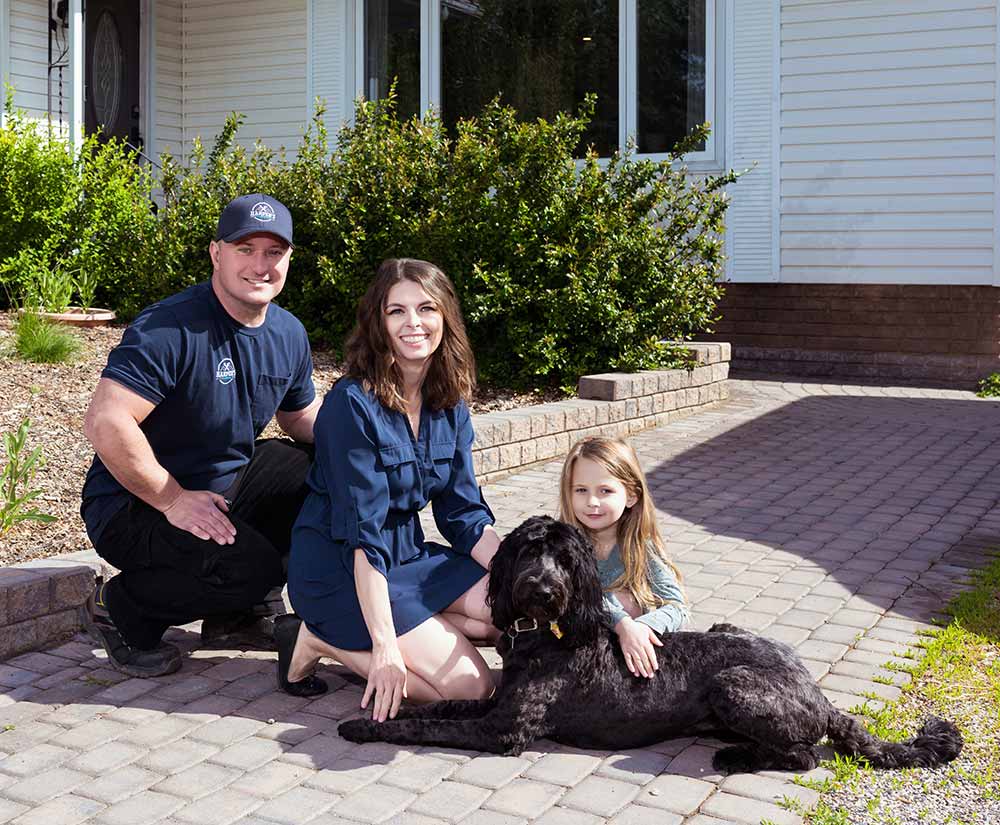
Why People Choose Harper's as Their Calgary Plumbers
We’re proud to provide our Calgary area neighbours with the best plumbing company and drain cleaning services they need. Our clients love working with us because we work to fully understand your needs.
For us, it is not simply a one time invoice or job, every interaction is the opportunity to build a strong relationship for years to come. Life has unexpected challenges and can throw unique plumbing and drain cleaning problems your way. We are here to help solve those for you.
Frequently Asked Questions About Sewer Line Repair in Calgary
Find quick answers to common sewer line repair questions. If you don’t see what you’re looking for, our team is happy to help
The clearest indicator is whether backups return quickly after professional cleaning. If cleaning restores flow and the problem stays resolved, cleaning was probably sufficient. If the same issue returns within weeks, or if camera inspection reveals cracked pipe, offset joints, or physical root damage, the problem is structural and needs repair rather than repeated cleaning.
It depends on where the damage is and what type of repair is needed. Some repairs are accessible without excavation. When the damage is in a buried section of the lateral, excavation is typically required to access and repair the pipe. Camera inspection confirms the location and nature of the damage, which determines what the repair involves.
The assessment and camera inspection can usually be completed in a single visit. The timeline for repair depends on what the inspection finds and what access is required. Accessible repairs can often be completed promptly. Work that requires excavation involves planning, permitting in some cases, and coordination that takes longer.
Standard home insurance policies typically do not cover sewer line repair caused by normal wear or aging. Some policies include sewer backup endorsements that may cover damage resulting from a backup event. It is worth reviewing your policy and speaking with your insurer. We can document our findings clearly, which can be helpful when dealing with an insurance claim.
Cost depends significantly on the nature and location of the damage. An accessible repair to a section of pipe or a cleanout installation is a different scope from a repair requiring excavation. We explain what is involved and what the options are before any work begins so you understand the scope clearly.
Not necessarily. Early root intrusion can sometimes be managed through periodic hydro jetting before it causes structural damage. When roots have caused cracking, joint failure, or physical damage to the pipe wall, that damage needs to be addressed through repair rather than cleaning. Camera inspection is the only reliable way to determine which situation you are dealing with.
A cleanout is an access point that connects directly to the sewer lateral, allowing a plumber to inspect or service the line without going through a fixture. Many older Calgary homes either lack a cleanout or have one in a poor location. Installing a cleanout is often a practical first step that makes future inspection, cleaning, and repair work significantly more straightforward and less disruptive.
Yes. Sewage backing up into the home is a health hazard and should be treated as urgent. Stop using plumbing fixtures, avoid contact with any backed-up material, and call for service. We are available for emergency assessment and can help you understand what is happening and what the immediate steps are.
When you’re in a pickle, we’re here to help.
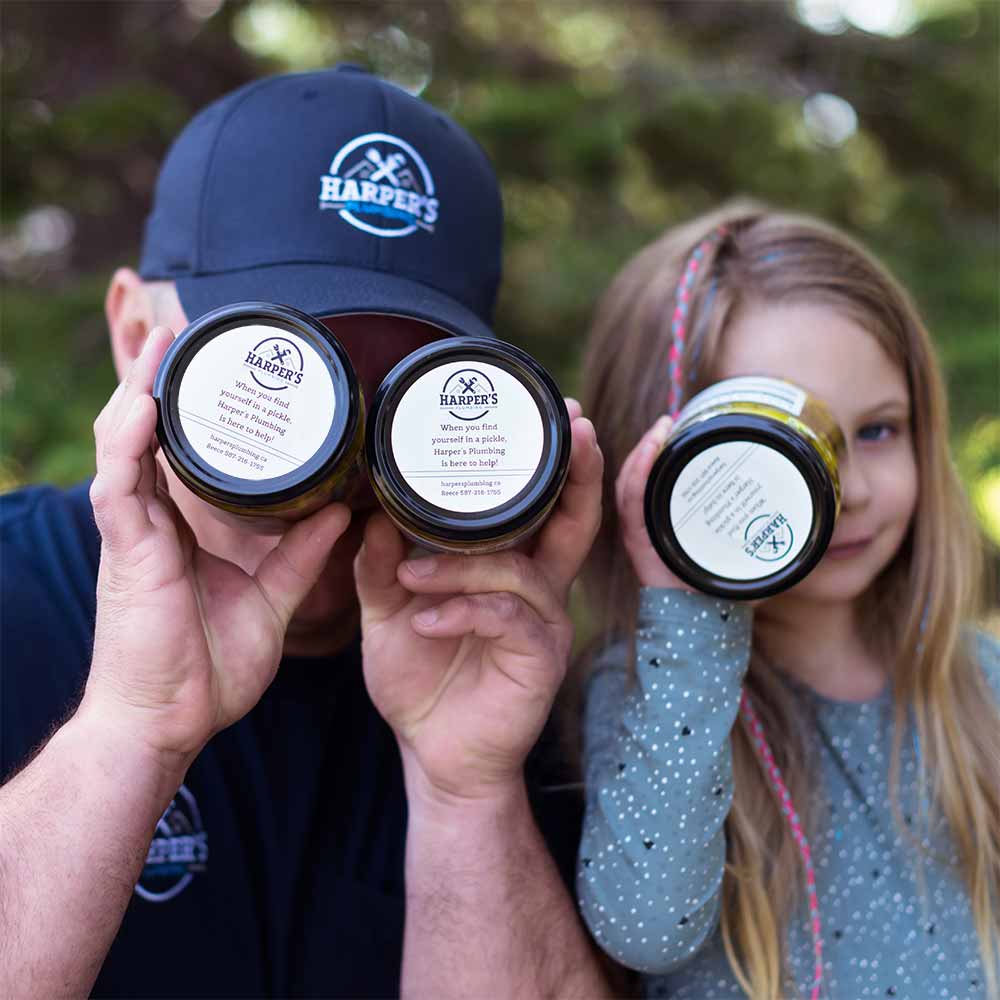
We started giving pickles to customers for a simple reason, when you go over to someone’s house, you bring something with you.
That’s always felt right to us.
We’re working in people’s homes, not just on plumbing systems, and we never want that to feel cold or transactional. The pickles are a small, neighbourly way to say thanks for having us in, and to leave behind something a little more memorable than the usual magnet or business card.
It’s simple, but it reflects how we like to do things around here: personal, thoughtful, and with a bit of character.
What Our Clients Are Saying
We’re always so grateful to our customers who take the time to leave us reviews and who often refer us to family, friends and neighbours as well as continue to use us whenever their plumbing needs arise.