What a Backwater Valve Does
A backwater valve is a one-way valve installed on your main sewer line. It is designed to allow wastewater to flow out of your home normally, while preventing sewage from flowing back in if the municipal sewer system becomes overwhelmed or a blockage causes reverse flow.
Inside the valve, a hinged flap sits open during normal use. When wastewater reverses direction, the flap closes automatically to block it from entering your home. When flow returns to normal, the flap reopens.
In plain terms, it helps protect your basement from sewer backup during heavy rain events, sudden surges, or situations where the main line backs up outside the home.

Types of Backwater Valves
Not all backwater valves are the same. The right choice depends on your home, your plumbing layout, and your preferences.
Check valves are the most common choice for Calgary homeowners. They operate automatically, using a floating flap that closes when it detects reverse flow. No manual operation is required.
Gate valves are manually operated, giving homeowners direct control over when the valve is open or closed. They are typically used alongside a check valve rather than as a standalone solution, and they require the homeowner to actively close and open the valve.
Combination valves include both automatic and manual controls, offering the reliability of a check valve with the option to manually override when needed.
We assess your setup and explain which option makes the most sense for your home before any work is planned.
When Homeowners Consider Backwater Valve Installation
A backwater valve is most often considered when:
- A sewer backup has already occurred and the homeowner wants to prevent a repeat
- The home has a finished basement and the potential damage from a backup would be significant
- The home has a basement floor drain or lower-level fixtures that are the first to be affected in a backup
- The home is in an area where heavy rainfall or snowmelt can overwhelm the municipal sewer system
- Basement renovation work is underway, making access to the main line easier and less disruptive
- A home insurer requires or recommends a backwater valve as a condition of sewer backup coverage
If you are not sure whether a backwater valve makes sense for your home, we can talk through your setup and help you decide.
The City of Calgary Rebate Program
Calgary offers a Basement Flooding Protection Subsidy to help homeowners offset the cost of approved flood protection measures, including backwater valve installation. The program has provided rebates to qualifying homeowners for a portion of installation costs.
Eligibility and program details change over time, so we recommend confirming current terms directly with the City of Calgary before planning your installation. We can help you understand what documentation is typically needed and what to expect from the process.
Permit Requirements for Backwater Valve Installation in Calgary
A permit is required for backwater valve installation in Calgary. This applies whether the home is a new build or a retrofit. The permit is obtained by the licensed plumber completing the work, and an inspection is required after installation.
We handle the permit application and coordinate the inspection as part of the job. You do not need to navigate that process on your own.
What Retrofitting Involves
Installing a backwater valve in an existing home is different from installing one during new construction. In most Calgary homes, the main sewer line runs below the basement floor, which means the installation requires access to that pipe.
For a retrofit installation, the process typically involves:
- Locating the main sewer line below the basement floor
- Cutting or breaking through the concrete floor to access the line
- Installing the valve at the appropriate location on the main line
- Backfilling and patching the concrete once the installation is complete and tested
- Obtaining the required permit and arranging for inspection
This is more involved than many standard plumbing jobs, which is why understanding what the installation requires before work begins matters. We walk through the scope clearly before any work is agreed to.
Backwater Valve vs Drain Cleaning
These are different tools that solve different problems, and the distinction is worth understanding.
Drain cleaning clears buildup and blockages inside your own pipes. It addresses situations where the restriction is within your home’s plumbing system.
A backwater valve protects against situations where the problem is outside your home, in the municipal sewer system or the main lateral, and sewage is flowing backward into your home as a result.
They are not interchangeable. Some homeowners benefit from both, depending on their situation and drainage history.
Backwater Valves and Home Insurance
Many home insurance policies offer sewer backup endorsements as optional coverage. Some insurers require or recommend that a backwater valve be installed as a condition of that coverage, or may offer reduced premiums when one is in place.
If sewer backup coverage is part of your policy or something you are considering, it is worth speaking with your insurer about whether a backwater valve affects your coverage. We can provide documentation of the installation for your records.
How We Approach Backwater Valve Installation
Backwater valve installation is not a one-size job. The best setup depends on the home, the location and depth of the main line, and how the basement plumbing is configured.
Our process typically includes:
- Reviewing your home’s drainage layout and risk factors
- Confirming the best valve type and location for your situation
- Obtaining the required permit before work begins
- Completing the installation, including any concrete cutting and patching required for a retrofit
- Testing the valve to confirm it operates correctly
- Arranging the required inspection
- Explaining how the valve works and what annual maintenance involves
If a camera inspection would help clarify your sewer line condition before installation, we may recommend one so you have a clear picture of the line and layout before work begins.
What to Expect During a Service Visit
Backwater valve installs involve more planning than standard plumbing work. We keep the process clear throughout.
Homeowners can expect:
- A straightforward conversation about your situation and goals
- A review of your current sewer and basement setup
- A clear explanation of what the installation involves, including any concrete work
- Permit handling and inspection coordination
- Testing after installation
- Simple guidance on annual maintenance and access
Backwater Valve Installation Cost in Calgary
Backwater valve installation cost varies depending on access to the main line, the depth of the pipe, whether concrete cutting is required, and what valve type is selected.
Retrofit installations are more involved than new build installations because of the concrete access work. We prefer to review your setup and explain what is involved before quoting, so you understand the scope clearly before any decision is made.
Backwater Valve Installation in Southwest Calgary
We install backwater valves across southwest Calgary, including Palliser, Oakridge, Braeside, Cedarbrae, Woodbine, and Woodlands. Many homes in these established communities were built before backwater valves were standard practice, and the combination of finished basements and older sewer infrastructure makes this a worthwhile upgrade for many homeowners in the area.
"*" indicates required fields


Why People Choose Harper's as Their Calgary Plumbers
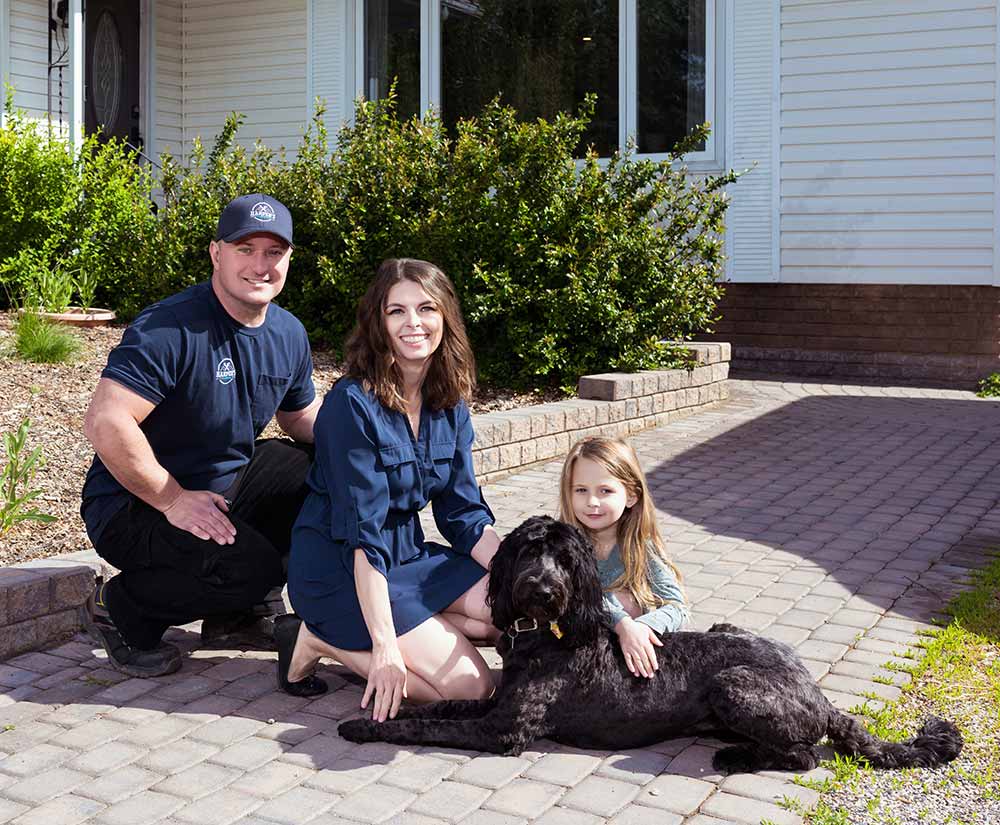
We’re proud to provide our Calgary area neighbours with the best plumbing company and drain cleaning services they need. Our clients love working with us because we work to fully understand your needs.
For us, it is not simply a one time invoice or job, every interaction is the opportunity to build a strong relationship for years to come. Life has unexpected challenges and can throw unique plumbing and drain cleaning problems your way. We are here to help solve those for you.
Frequently Asked Questions About Backwater Valve Installation in Calgary
Find quick answers to common backwater valve installation questions. If you don’t see what you’re looking for, our team is happy to help
A backwater valve is a one-way valve installed on the main sewer line that prevents sewage from backing up into your home when the municipal sewer system is overwhelmed. It is most often considered for homes with finished basements, homes that have experienced a backup before, or homes where the homeowner wants added protection against sewer backup damage.
Yes. A permit is required for backwater valve installation in Calgary, and an inspection is required after the work is complete. We handle the permit application and arrange the inspection as part of the job.
The City of Calgary has offered a Basement Flooding Protection Subsidy that includes rebates for backwater valve installation. Program details and eligibility can change, so we recommend confirming current terms with the City directly. We can help you understand what documentation is typically required.
In most existing Calgary homes, the main sewer line runs below the basement floor. Installing a backwater valve requires cutting or breaking through the concrete floor to access the line, installing the valve, and then patching the concrete once the work is complete and inspected. It is more involved than many plumbing jobs, which is why understanding the scope upfront matters.
A backwater valve helps reduce the risk of sewage backing up through the sewer line. It does not prevent flooding from other sources such as surface water entering through windows, foundation seepage, or plumbing failures inside the home. It is one layer of protection, not a complete solution for all flooding scenarios.
Yes. The valve should be inspected annually to confirm it is operating correctly and free of debris. The flap mechanism can accumulate buildup over time if drain habits are not managed. We explain what to look for and how to access the valve for inspection after installation.
Some insurers offer sewer backup coverage that is influenced by whether a backwater valve is installed. Reduced premiums or coverage eligibility may apply depending on your policy. We recommend speaking with your insurer about how a backwater valve installation affects your specific coverage.
Homes built after the late 1980s in Calgary may have had one installed during construction. In older homes, backwater valves are less common. The valve is typically located in the basement floor, either visible under a clear access cover or beneath a rectangular panel. If you are unsure, we can help you locate it during a service visit.
When you’re in a pickle, we’re here to help.
We started giving pickles to customers for a simple reason, when you go over to someone’s house, you bring something with you.
That’s always felt right to us.
We’re working in people’s homes, not just on plumbing systems, and we never want that to feel cold or transactional. The pickles are a small, neighbourly way to say thanks for having us in, and to leave behind something a little more memorable than the usual magnet or business card.
It’s simple, but it reflects how we like to do things around here: personal, thoughtful, and with a bit of character.

What Our Clients Are Saying
We’re always so grateful to our customers who take the time to leave us reviews and who often refer us to family, friends and neighbours as well as continue to use us whenever their plumbing needs arise.