Tucked in the southwest corner of Calgary, communities like Woodbine, Cedarbrae, Oakridge and Woodlands are known for their mature trees, established streets, and homes with real character. Many of these houses were built in the late 70s and 80s, a time when building codes, materials, and plumbing layouts followed a different standard than what’s used today.
While the charm of these neighbourhoods is undeniable, age brings its own set of challenges, especially when it comes to what lies behind the walls and beneath the floors. Professional drain cleaning and inspections often reveal early signs of trouble long before leaks or clogs appear. From aging drain stacks to tree root intrusion, older plumbing systems often carry silent risks that go unnoticed until something goes wrong.
What Plumbing Looks Like in 70s and 80s Homes
Homes built during the late 1970s and 1980s in Calgary’s southwest share many plumbing characteristics. Many used cast iron for vertical stacks, copper or early PVC for water lines, and limited cleanout access points in the basement or exterior. Basement bathrooms were often built with minimal venting, and the main floor layout sometimes forced tight turns in drain lines.
At the time, all of this was perfectly normal. But decades later, these same systems are showing their age in ways that impact both performance and safety. Without proactive checks, small issues such as minor corrosion or slow drainage can develop into full-scale failures.
Common Issues Below the Surface
Aging Cast-Iron Drain Stacks
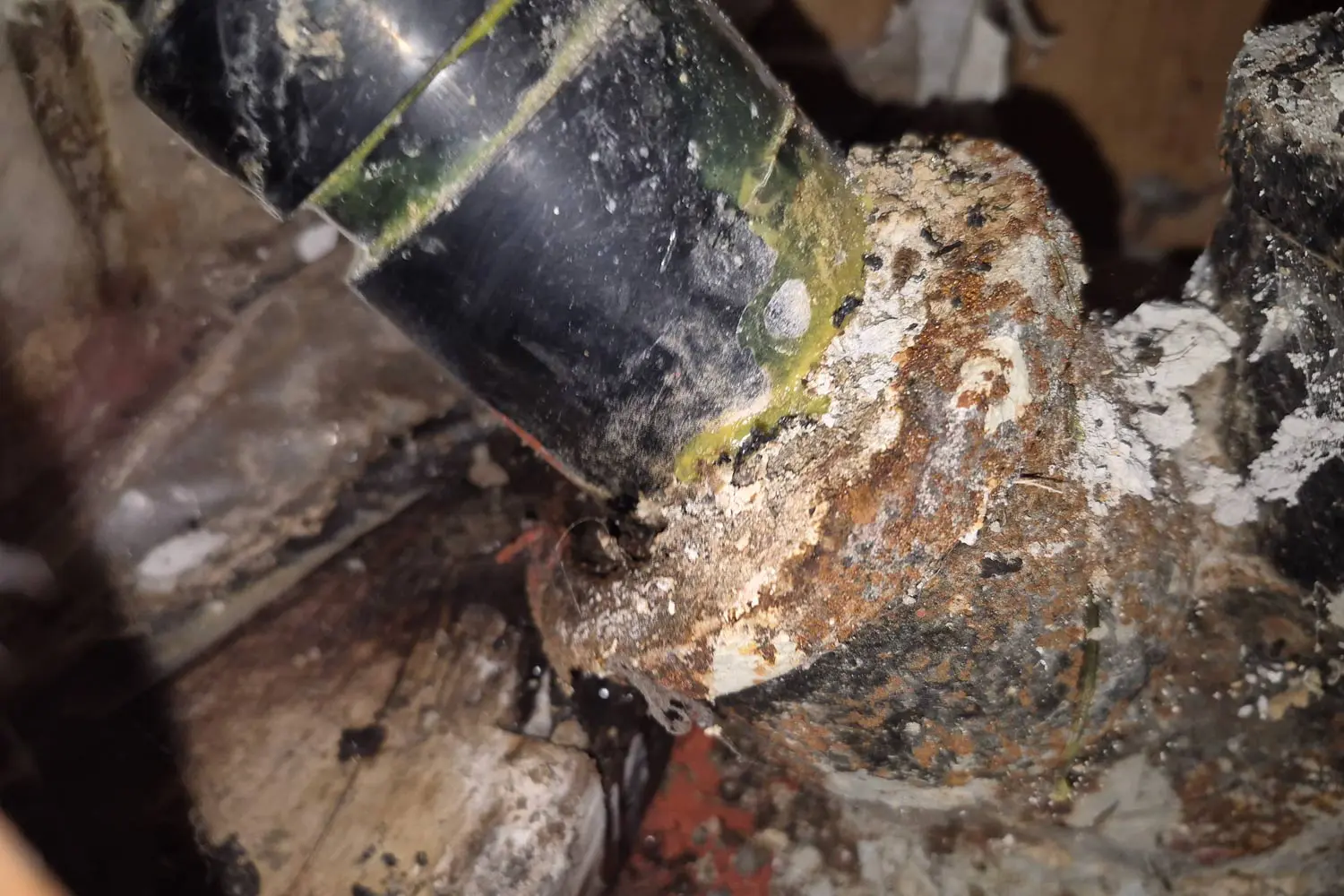
Cast iron was a durable and popular choice, but after 40 to 50 years, it begins to wear down from the inside out. Layers of scale build up along the interior walls, narrowing the pipe diameter and slowing water flow. Cracks, flaking, and weak joints are also more likely to occur over time. These problems often start silently and only become visible when major clogs or leaks appear.
Tree Root Intrusion
With mature landscaping comes mature roots. Tree roots are naturally drawn to moisture, so even the most minor leak or crack in a sewer line can invite growth. Over time, roots can become deeply entrenched in the pipe, blocking the flow and causing backups. Symptoms often include gurgling sounds from toilets and slow drains throughout the house.
Shifting Soil and Settled Pipes
Calgary’s climate means frequent freeze-thaw cycles. Over decades, this movement causes a gradual shifting of the foundation and soil. Pipes may sink or separate slightly, creating dips or gaps that trap debris and slow down the drainage process.
Poly B and Aging Water Lines
Some late 80s homes still contain polybutylene piping, commonly known as Poly B. While it was a popular material at the time, Poly B has a reputation for failing without warning. Cracks, warping, and chemical degradation can lead to hidden leaks that damage walls, ceilings, and insulation before homeowners notice a thing.
Why These Issues Are Often Missed
Older plumbing systems tend to break down gradually, making it easy to dismiss small symptoms as normal quirks. A gurgle here, a slow drain there, and maybe a musty smell in the basement, these are often written off as “just part of an older home.”
The reality is different. These minor symptoms can be early warning signs of much larger problems. Left unchecked, they can turn into major emergencies that cost thousands to fix and cause extensive water damage.
Warning Signs to Keep an Eye On
Even if everything seems to be working fine, certain signs should prompt a closer look:
- Recurring slow drains in multiple areas
- Gurgling noises when toilets flush or sinks drain
- A strong sewer odour in the basement
- Water stains or bubbling paint on ceilings or walls
- Toilets that struggle to refill or drain
- Backups during rain or snowmelt
If any of these issues persist, the next step is a thorough inspection.
What a Thorough Plumbing Inspection Should Include
In older SW Calgary homes, a basic drain snaking or visual check isn’t enough. A complete inspection should include:
- Sewer camera inspection: to view the condition of main lines, spot cracks, root intrusion, or scale buildup
- Water pressure and flow testing: to detect blockages, worn lines, or underperforming fixtures
- Stack condition check: to evaluate rusting or thinning in vertical cast iron drains
- Cleanout access review: to see if proper service points are available or need updating
These steps provide homeowners with a comprehensive understanding of what’s happening inside their plumbing system, without requiring them to break walls or dig up the yard.
Why Early Action Matters
When caught early, many problems in older systems can be handled affordably and with minimal disruption. For example, a small section of compromised cast iron can be replaced without touching the rest of the system. Tree roots can be cut and monitored, and drain lines can be cleaned before backups happen.
Waiting until a major failure strikes means paying for emergency service, cleanup, drywall repair, and sometimes even temporary relocation. A proactive inspection is a fraction of that cost and brings peace of mind heading into Calgary’s colder seasons.
Plumbing Inspections for Calgary’s Older Southwest Homes
Since 2013, we’ve been working in homes across Calgary’s southwest, solving the kinds of plumbing problems that only show up with age. Cast-iron stacks and tree root blockages, we’ve seen a wide range of issues and know how to fix it without turning it into a bigger mess than it needs to be.


If your drains have been slowing down, or your home hasn’t had a proper plumbing check in years, don’t wait for a backup to find out what’s going on.
Book an inspection today and get honest answers from a local team that knows these systems inside and out. Whether it’s for peace of mind or a problem that needs solving now, we’re ready when you are.