Every home in Calgary depends on a plumbing system, yet many people are unsure how to care for it properly or what signs point to trouble. Questions about water heaters, drains, leaks, and inspections are common because plumbing touches nearly every part of daily life. You are not alone if you have ever wondered how to keep your pipes healthy, prevent clogs, or deal with frozen lines in winter.
This guide answers the most frequent questions homeowners ask about plumbing. With the right knowledge, you can avoid costly emergencies and keep your system working the way it should.
How Can You Extend the Lifespan of a Water Heater?
The key to a longer-lasting water heater is regular maintenance. Flushing the tank once or twice a year clears mineral buildup that can cause damage. Inspecting and replacing the anode rod protects against rust and corrosion inside the tank.
It also pays to act quickly if you notice warning signs like leaks, banging noises, or fluctuating water temperatures. Addressing small issues early prevents major breakdowns and keeps the system running for more years.
What’s the Best Way to Maintain a Plumbing System?
Plumbing works quietly in the background but needs routine attention to avoid sudden breakdowns. Inspect exposed pipes for moisture or discoloration, and listen for unusual sounds when using faucets or toilets. Take care of drains by avoiding grease, oils, wipes, and other materials that are difficult to break down.
Seasonal habits also matter. In Calgary’s colder climate, winterizing outdoor taps, insulating basement pipes, and monitoring sump pumps help prevent mid-winter emergencies.
How Do You Know When You Have a Plumbing Problem?
Many homeowners only realize something is wrong after a system stops working completely. The truth is that plumbing often gives early warnings. Slow-draining sinks, gurgling noises, bad smells near drains, or consistently low water pressure all signal a problem developing.
Other red flags to pay attention to can include water stains on ceilings or walls.
How Do You Prevent Clogged Drains?
The best prevention is being mindful of what enters the pipes. In kitchens, scrape food scraps into the garbage and never pour cooking grease down the sink. Place small mesh screens over bathroom drains to catch hair and soap residue.
Simple cleaning can also keep pipes clear. Pouring hot water down the drain once a week loosens minor buildup. For a natural option, try combining vinegar and baking soda. Pour half a cup of baking soda followed by a cup of vinegar down the drain, let it fizz for about 10–15 minutes, then flush it with hot water. This gentle mixture helps break down residue and neutralize odors without the harsh effects of chemical cleaners. If a clog forms despite these efforts, avoid forcing chemicals into the system. A professional cleaning is often the safest and most effective solution.
What’s the Safest Way to Stop Drain Odours?
Few things disrupt a home more than a foul smell from the sink or shower. Fortunately, unpleasant odours are often easy to prevent. Running hot water regularly breaks down grease and soap scum. A mixture of baking soda and vinegar poured down the drain can refresh the line and neutralize smells.
Unused drains in guest bathrooms or laundry rooms sometimes allow sewer gases to escape. Running the tap for a minute or two restores the water barrier in the trap and seals off odours. Persistent smells, however, usually indicate a more serious problem in the system and should be checked by a plumber.
Are Chemical Drain Cleaners a Good Idea?
Store-bought drain cleaners may seem like a quick fix, but they come with risks. Harsh chemicals can corrode metal pipes, damage seals, and create harmful fumes in the air.
There are better ways to clear drains. A plunger or drain snake often solves the problem without damaging pipes. Enzyme-based cleaners, when combined with hot water, provide a safer option. For severe or recurring blockages, professional tools ensure the drain is cleared fully without harming the plumbing system.
How Do You Detect Hidden Leaks?
Not every leak is easy to spot. Many develop behind walls, under floors, or in ceilings where they can go unnoticed until real damage sets in. Warning signs include unexplained increases in the water bill, peeling paint, warped flooring, or a persistent musty smell indoors.
Plumbers use advanced tools like thermal imaging cameras and moisture meters to track down leaks without tearing things apart. Finding them quickly is important, since slow, hidden leaks can lead to mold growth and structural damage long before they show on the surface.
How Often Should Plumbing Be Inspected?
The frequency of plumbing inspections depends on the property’s age and history of issues.
Special occasions also call for an inspection. Having the plumbing system checked after completing major renovations, before buying or selling a property, or when taking ownership of a rental unit ensures peace of mind.
Why is Water Pressure Low in a House?
Low water pressure has many potential causes. Clogged pipes, minor leaks, and worn-out fixtures can all limit flow. A faulty pressure regulator or partially closed shut-off valve may also be to blame. Sometimes, the issue comes from outside the home, such as municipal water supply problems or shared pipelines with neighbors.
If the problem only occurs at one fixture, replacing or cleaning that unit may solve it. However, widespread low pressure across the entire home usually requires professional diagnosis to find the root cause.
How Do You Prevent Frozen Pipes in Calgary Winters?
Frozen pipes are a major concern in Calgary. Insulating pipes in basements, attics, and crawl spaces provides a first line of defense. Disconnecting outdoor hoses before the first frost and sealing drafts near foundation walls also helps.
Keeping cabinet doors open in kitchens and bathrooms allows warm air to reach pipes along exterior walls. Allowing faucets to drip slightly during freezing nights keeps water moving and reduces the chance of freezing. Maintaining an indoor temperature of at least 16°C (60°F) further protects the system.
Local Help for All Your Plumbing Questions
Plumbing questions are part of everyday life, and the answers make it easier to avoid stress and keep things running the way they should. Even with regular care, some problems need professional attention.
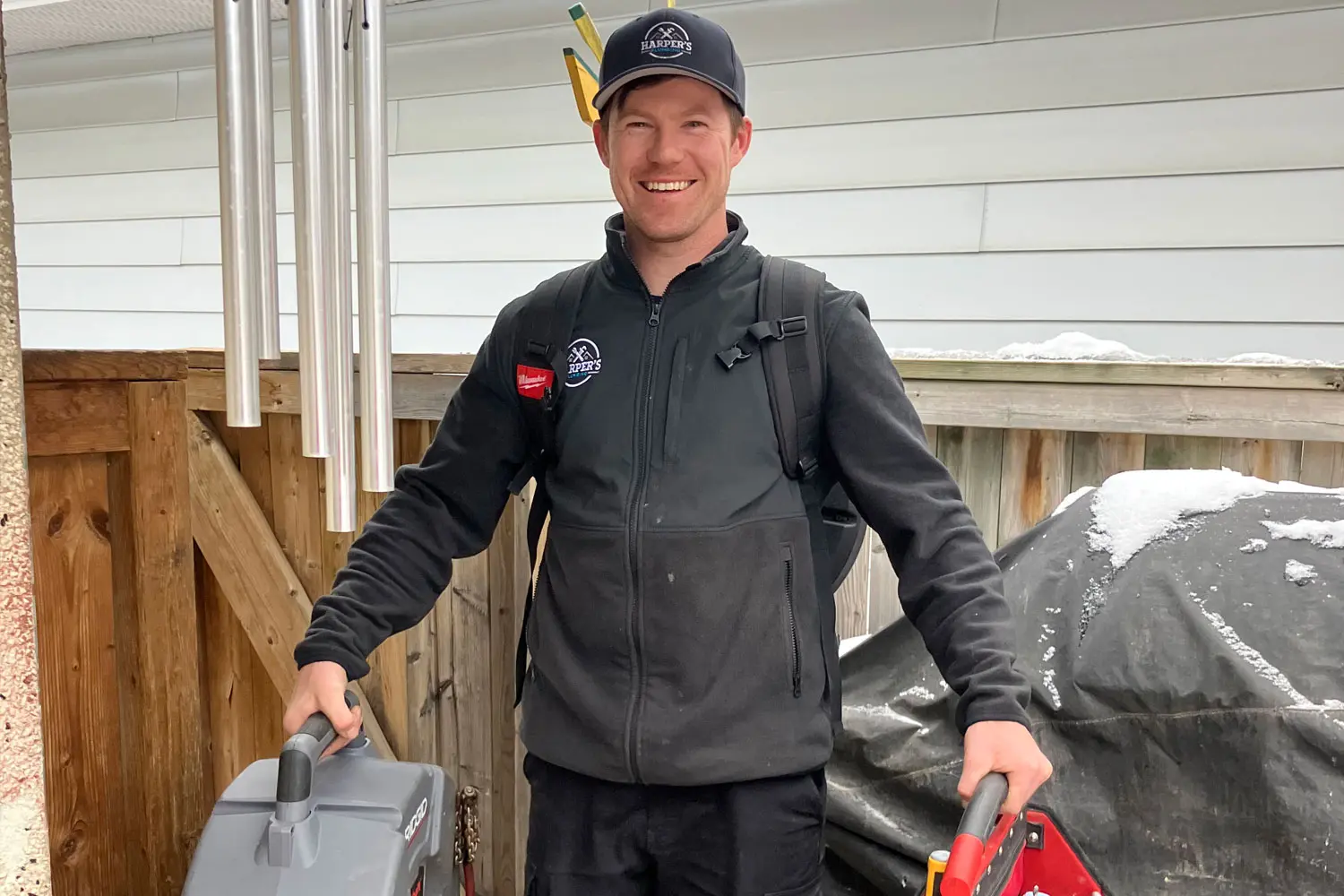
We’ve been serving Calgary since 2013 with round-the-clock plumbing service, clear pricing, and guaranteed workmanship. As a family business, Harper’s Plumbing takes pride in offering precise solutions with a small-town touch. If you need help with repairs, maintenance, or an unexpected emergency, reach out today and let us take care of it.