Not all plumbing problems are known with a loud bang or a flooded floor. In many homes, the trouble begins quietly. A slow drain here. A strange sound there. Maybe a smell you can’t quite place. These minor annoyances often point to something deeper going on below the surface.
For homeowners in Calgary, understanding what could be hiding inside the plumbing system is more than helpful; it can prevent major repairs, property damage, and unnecessary stress. Let’s look at some of the most common issues hiding inside drain lines and what can be done to uncover and solve them before they become bigger.
Drain Problems Often Start Quietly
Clogged or damaged drain lines can be deceptively calm in the early stages. A single sink draining slowly or the occasional gurgle in the tub might be dismissed as nothing serious. However, plumbing systems are connected, and the effects usually spread when one part struggles.
Over time, that slow drain may turn into standing water, that smell may signal a developing backup, and that once-occasional toilet overflow might become a regular event. In Calgary, with its mix of modern homes and older properties, these warning signs can appear in various ways.
Knowing what’s hiding in the pipes is the first step to addressing these issues correctly.
What Causes Drain Problems in Calgary Homes?
The list of things that can block, damage, or weaken a drain system is longer than most homeowners expect. Many of the most common culprits aren’t foreign objects; they’re everyday substances or conditions that slowly build up over time.
Grease and Food Waste
Cooking oils and greasy leftovers might seem harmless when rinsed down the sink, but they cool and harden inside your pipes. Sticking to the inner walls, they collect other debris and restrict water flow. This is especially common in kitchen lines and often leads to repeated clogs if improperly cleared.
Hair, Soap Scum, and Bathroom Buildup
The most common offenders in bathroom drains are hair and soap. Shampoo, conditioner, and soap residue wash down the tub or sink, mixing with hair to create sticky buildups that cling to the pipe walls. These buildups cause slow drainage and trap other debris, making clogs grow quickly.
Tree Root Infiltration
Mature trees are a defining feature of many Calgary neighbourhoods, especially in areas like Lakeview and Altadore. But underground, their roots are always searching for water. If a drainpipe has even the most minor crack or weakened joint, roots will find it. Once inside, they expand and cause blockages, slow drainage, or even complete pipe collapse.
Mineral Scale and Hard Water Deposits
Calgary’s water has a higher mineral content than many homeowners realize (City of Calgary Water Quality Report). Over time, these minerals coat the insides of pipes and narrow the passageway for water to flow. Unlike clogs, mineral scale is tough to remove with standard drain cleaners and often requires a professional solution.
Foreign Objects and Accidental Flushing
From paper towels and hygiene products to small toys and cotton swabs, foreign objects are one of the quickest ways to block a drain. While toilets and sink traps catch some of these, anything that makes it past can lodge deep in the line and create a long-lasting obstruction.
The Risks of Ignoring What’s Hidden Below
Delaying a plumbing inspection is easy when things are working well. However, if left untreated, many of the issues listed above can create larger problems.
Clogs can build until they trigger backups that flood basements or lower-level bathrooms. Cracks and root intrusions can weaken pipe sections, leading to collapse. And unseen water damage caused by slow leaks can spread mold and rot throughout a home.
Even if water still flows, signs like bubbling sounds, foul smells, or water rising in one fixture when another is used all point to a problem in the system. By the time these signs are impossible to ignore, the damage is often more extensive.
Diagnosing the Real Problem with Precision
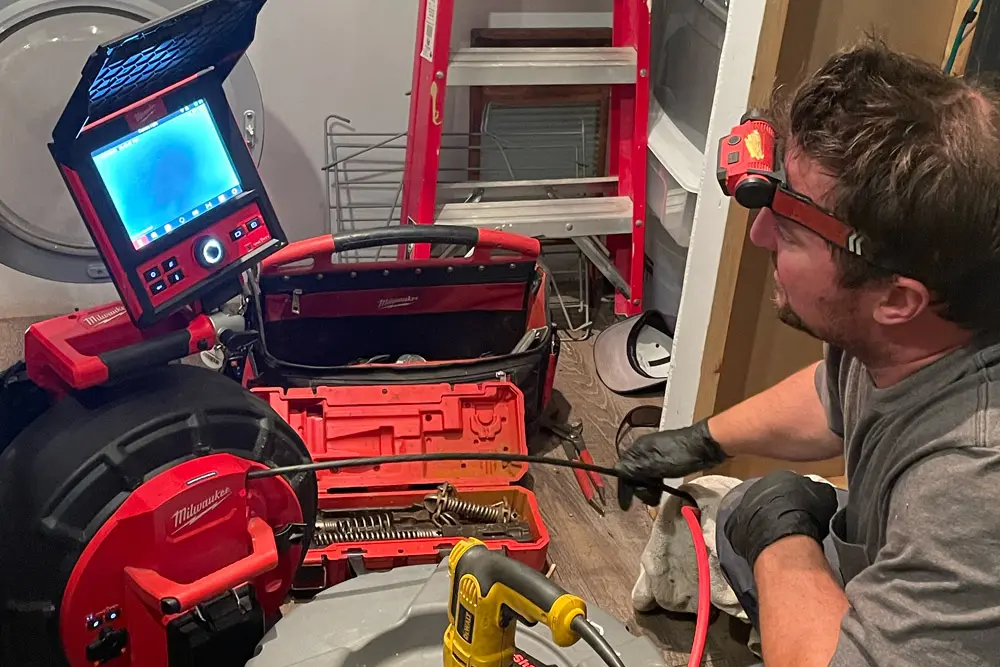
The days of guessing and digging blindly are long gone. Today, sewer camera inspections allow plumbing professionals to see exactly what’s going on inside the pipes without disturbing the yard, flooring, or walls.
This diagnostic approach involves feeding a high-definition waterproof camera through the main drain. As it travels, it transmits live footage that reveals the condition of the pipes in real time. Blockages, damage, buildup, and even the pipe material can be identified and marked without a shovel hitting the ground.
This inspection confirms a problem exists and shows where and what it is. That means no guesswork, faster solutions, and less disruption.
When to Schedule a Drain Inspection
Not every minor issue needs a full inspection, but there are several signs that it’s time to bring in a professional with the right tools.
- Multiple drains are slowing down at the same time
- Gurgling noises when water drains
- Sewage smells in bathrooms, kitchens, or basements
- Recurring clogs that come back after cleaning
- Standing water near floor drains or utility sinks
- Flooding or damp spots near the foundation
- Planning renovations or buying an older home
These signs often point to more than just surface-level clogs. A quick camera check can determine if a larger issue is forming and how to stop it before it becomes costly.
What to Expect From a Professional Inspection
A drain inspection should be straightforward and transparent. The process starts with identifying the cleanout access, usually in the basement. From there, the camera is fed through the main line or if not accessible, through other points such as a toilet. The technician then follows the footage, noting any trouble areas and explaining what is being seen in real time.
There’s no need to dig or remove walls. The inspection can be done as a standalone service or as part of a larger repair or drain cleaning job.
After the inspection, a clear summary of the findings is provided, along with a copy of the footage on a USB and options for repair or cleaning if needed. There is no pressure; the goal is always to provide information and support, not make a sale.
Long-Term Drain Health Starts With Routine Care
Many Calgary homeowners are surprised by how much wear and tear everyday life can put on their plumbing system. Over time, minor issues can add up. That’s why regular inspections and preventative cleaning are some of the best ways to keep things running smoothly.
For homes with older plumbing, heavy tree coverage, or a history of clogs, regular check-ins help avoid surprise failures. For newer homes, inspections after major landscaping or renovations ensure that lines haven’t been affected by shifting soil or nearby digging.
Water softeners can also reduce mineral scale over time, helping to preserve pipe integrity. Drain cleaning services remove buildup before it leads to a complete blockage. These small, preventative steps make a big difference.
Trusted Calgary Plumbing, From the Ground Up
Serving Calgary since 2013, we’ve worked in every kind of home and handled every drain issue. What sets us apart isn’t just the equipment. We bring care, clarity, and precision to each job. We explain what we find, offer straightforward options, and treat every home like it belongs to a neighbour.
Hamish was great—fast, efficient, and clearly knows his stuff. He got the job done quickly, and while our sink has a few more underlying issues, he was upfront and knowledgeable about what’s going on. We’re really satisfied with the work he did and definitely plan on sticking with Harper’s Plumbing for any future plumbing needs. Highly recommend!

Absolutely wonderful service. The communication is amazing as well…the text reminders and notification when the plumber was on his way were greatly appreciated. Hamish was friendly, professional, and efficient in resolving the drainage issues we were having with our sump pump. I appreciate the time he took to explain everything to me as well. I will definitely recommend Harper’s Plumbing in future, and should a need for a plumber arise again, you’ll be the first place I call!

I received great emergency service from Harper’s Plumbing. Booking was quick and easy thanks to Morgan, and Hamish did an excellent job to resolve my drain issue deep in the line. Everything efficient, professional, friendly and on time. Rate were hourly rather than flat fees. Highly recommended!

Every technician is licensed, insured, and committed to doing things right. That means clear communication and no hidden fees. Whether the problem turns out to be a simple fix or something more involved, you’ll always know what’s happening and why.
If you’ve noticed slow draining, bad smells, or recurring clogs, it’s a smart time to get a clearer look underground. Reach out to schedule a camera inspection or book online.